Saskatchewan Dental Fee Guide 2023: A Comprehensive Overview
This guide offers suggested fees for dental services‚ serving as a resource for both dentists and patients in Saskatchewan․
Dentists aren’t obligated to follow it‚
but it aids in establishing fair and reasonable pricing structures․
Understanding this guide empowers informed decisions regarding dental care costs․

Understanding the Saskatchewan Suggested Fee Guide
The Saskatchewan Suggested Fee Guide‚ published by the College of Dental Surgeons of Saskatchewan (CDSS)‚ is a crucial document for navigating dental costs within the province․ However‚ it’s vital to understand its core function: it’s a suggestion‚ not a mandated price list․ Dentists are entirely at liberty to set their own fees‚ and are not required to adhere to the guide’s recommendations․
The guide’s primary purpose is to provide a framework for establishing fees that are considered fair and reasonable to both the dental practitioner and the patient․ It’s a complex resource‚ containing hundreds of procedure codes with corresponding suggested fees‚ utilizing precise dental terminology․ This technical nature makes it most useful for dentists and insurance companies․
Patients can benefit from the guide by using it as a reference point when discussing treatment costs with their dentist․ While the full guide isn’t publicly available on the CDSS website‚ a simplified list of common services and their suggested fees is accessible‚ offering a starting point for cost estimation․
The Guide’s Purpose and Limitations
The Saskatchewan Suggested Fee Guide aims to promote transparency and fairness in dental pricing‚ offering a benchmark for reasonable fees․ Its core purpose isn’t to control costs‚ but to assist dentists in developing a structured fee schedule․ It’s designed to be a helpful tool‚ not a rigid regulation․
However‚ significant limitations exist․ Dentists face no obligation to utilize the guide’s suggested fees; they are free to charge more or less based on factors like overhead costs‚ specialization‚ and regional economic conditions․ The guide doesn’t dictate what a dentist must charge․
Furthermore‚ the guide doesn’t address insurance coverage․ Dentists aren’t required to know a patient’s insurance plan details‚ and coverage varies widely․ Patients are responsible for verifying their benefits with their insurance provider․ The guide’s complexity‚ with its extensive coding system‚ also means it’s primarily intended for professional use‚ not direct patient interpretation․
Accessing the Fee Guide Information
While the complete Saskatchewan Suggested Fee Guide isn’t freely available for public download on the College of Dental Surgeons of Saskatchewan (CDSS) website‚ some information is accessible․ The CDSS provides a readily available resource: a listing of codes and suggested fees for the most common dental services performed within the province․
This partial guide offers a useful overview for patients seeking a general understanding of typical costs․ However‚ for the full‚ detailed guide – containing hundreds of procedure codes and their corresponding fees – direct purchase is necessary․ This comprehensive document is primarily utilized by dentists and insurance companies due to its technical nature and specialized terminology․
To inquire about specific codes or fees‚ patients should directly contact their dentist or insurance provider‚ as they possess access to the complete guide․ Ordering information for the next year’s guide typically becomes available in early November each year through the CDSS website․
Common Dental Services & Associated Fees (2023)
The Saskatchewan Suggested Fee Guide outlines costs for a wide range of dental procedures‚ though specific fees vary by dentist․ It’s crucial to remember these are suggested fees‚ not mandated prices․ Common services include routine check-ups‚ cleanings‚ and x-rays‚ forming the foundation of preventive dentistry․
Basic treatments like fillings and restorations also have suggested fee ranges‚ dependent on the material used and the extent of the repair․ More complex procedures‚ such as root canals (endodontic treatment)‚ dentures and bridges (prosthodontic services)‚ and surgical interventions‚ naturally carry higher associated costs․
The guide also covers fees for periodontic (gum) treatment‚ orthodontic care‚ and services specifically for pediatric dentistry․ For urgent situations‚ the guide provides suggested fees for emergency dental care․ Obtaining a personalized estimate from your dentist remains the best way to understand your out-of-pocket expenses․
Preventive Dentistry Fees
Preventive dentistry forms the cornerstone of oral health‚ and the Saskatchewan Suggested Fee Guide reflects this with outlined costs for essential services․ A routine check-up‚ allowing for early detection of potential issues‚ typically falls within a specific fee range․ Professional dental cleanings‚ removing plaque and tartar buildup‚ also have suggested fees‚ varying based on complexity․
Dental x-rays‚ crucial for diagnosing hidden problems‚ are another component of preventive care with associated costs detailed in the guide․ Fluoride treatments‚ strengthening tooth enamel‚ also fall under this category․ These services are generally the most affordable‚ emphasizing the importance of regular visits․
While the exact fees are subject to individual dentist discretion‚ the guide provides a benchmark for reasonable charges․ Prioritizing preventive care can ultimately save money by avoiding costly treatments down the line․ Remember to discuss potential costs with your dentist during your appointment․
Basic Treatment Fees
Basic treatment fees encompass a range of common dental procedures beyond preventative care‚ as outlined in the Saskatchewan Suggested Fee Guide․ These services address existing dental issues to restore oral health․ This category includes examinations for diagnosing dental problems‚ and simple extractions when a tooth cannot be saved․
Scaling and root planing‚ a deeper cleaning addressing gum disease‚ also falls under basic treatments․ The guide provides suggested fees for these procedures‚ though dentists retain the autonomy to adjust based on individual cases․ Obtaining a pre-treatment estimate is always recommended․
It’s important to remember the fee guide is suggested‚ not mandated․ Costs can vary depending on the dentist’s experience‚ location‚ and the complexity of the treatment․ Understanding these potential variations allows patients to budget effectively for their dental care needs․
Fillings and Restorations Costs
Fillings and restorations represent a significant portion of basic treatment fees within the Saskatchewan Suggested Fee Guide․ Costs are determined by factors like the material used – composite (tooth-colored)‚ amalgam (silver)‚ or gold – and the size and location of the cavity․ Smaller‚ simpler fillings naturally cost less than larger‚ multi-surface restorations․
The guide provides a range of suggested fees for each type of filling material and complexity level․ However‚ dentists aren’t bound by these suggestions and may adjust pricing based on their practice costs and expertise․ Inlays and onlays‚ indirect restorations fabricated outside the mouth‚ generally have higher associated fees than direct fillings․
Patients should discuss material options and associated costs with their dentist to make informed decisions․ Obtaining a detailed treatment plan with a breakdown of estimated costs is crucial for budgeting and understanding the financial commitment involved in restorative work․
Endodontic (Root Canal) Treatment Fees
Endodontic treatment‚ commonly known as root canal therapy‚ addresses infection within the tooth’s pulp․ Fees for root canals in Saskatchewan vary considerably based on the tooth’s location and the complexity of the procedure․ Anterior (front) teeth generally have lower fees compared to posterior (back) teeth‚ like molars‚ which possess more roots and require more intricate work․
The Saskatchewan Suggested Fee Guide outlines suggested fees for root canal treatment on different teeth․ These fees cover the process of removing the infected pulp‚ cleaning and shaping the root canals‚ and filling them to prevent reinfection․ A post-and-core buildup and subsequent crown are often necessary after a root canal‚ adding to the overall cost․
As with all dental procedures‚ dentists are not obligated to adhere strictly to the guide’s suggested fees․ Patients should request a comprehensive treatment plan detailing all associated costs before proceeding with root canal therapy․
Prosthodontic (Dentures & Bridges) Fees
Prosthodontic dentistry focuses on restoring damaged or missing teeth using dentures and bridges․ Fees for these services in Saskatchewan are determined by several factors‚ including the materials used‚ the number of teeth being replaced‚ and the complexity of the case․ Dentures‚ both complete and partial‚ offer a removable solution for tooth loss‚ with costs varying based on the base material (acrylic or metal) and the number of teeth․
Dental bridges‚ which are fixed restorations‚ typically involve crowns on adjacent teeth supporting a replacement tooth․ The Saskatchewan Suggested Fee Guide provides a range of suggested fees for different types of bridges (e․g․‚ traditional‚ cantilever‚ Maryland)․

Remember‚ the guide serves as a suggestion‚ and dentists may adjust fees accordingly․ Obtaining a detailed treatment plan with a breakdown of costs is crucial before committing to dentures or bridge work․
Surgical Services Fees
Surgical dental services encompass a range of procedures beyond routine care‚ often requiring specialized expertise․ These can include tooth extractions – from simple removals to more complex surgical extractions of impacted wisdom teeth – and implant placement‚ a more permanent tooth replacement option․ Fees for surgical procedures in Saskatchewan are influenced by the procedure’s complexity‚ the dentist’s specialization‚ and any necessary anesthesia․
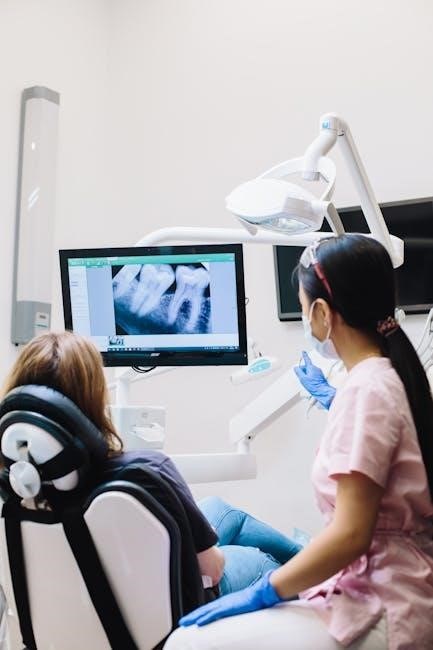
The Saskatchewan Suggested Fee Guide outlines suggested fees for various surgical codes‚ reflecting the time‚ skill‚ and materials involved․ However‚ it’s vital to remember that these are merely suggestions; individual dentists retain the autonomy to set their own fees․
Prior to undergoing any surgical treatment‚ a comprehensive consultation and detailed cost estimate from your dentist are essential for financial clarity and informed consent․
Periodontic (Gum) Treatment Fees
Periodontic treatments address diseases affecting the gums and supporting structures of the teeth‚ crucial for overall oral health․ These services range from non-surgical therapies like scaling and root planing (deep cleaning) to more complex surgical interventions like gum grafting and pocket reduction surgery․ The Saskatchewan Suggested Fee Guide provides a framework for these procedures‚ though dentists aren’t bound by it․
Fees are determined by the extent of the gum disease‚ the complexity of the treatment required‚ and the specialist’s qualifications․ Scaling and root planing fees will differ significantly from those associated with reconstructive gum surgery․
Obtaining a detailed‚ written estimate from your periodontist before commencing treatment is paramount․ This ensures transparency and allows for informed financial planning․ Remember to discuss potential insurance coverage with your provider‚ as it may offset some costs․
Orthodontic Treatment Fees
Orthodontic treatments‚ focused on correcting misaligned teeth and jaws‚ represent a significant investment in oral health and aesthetics․ These fees are typically higher than many other dental procedures due to the extended treatment duration‚ specialized expertise required‚ and the materials utilized – braces‚ aligners‚ and retainers․ The Saskatchewan Suggested Fee Guide offers a range of suggested fees‚ but individual dentist pricing can vary․
Treatment costs are influenced by the complexity of the case; simpler alignment issues will generally be less expensive than comprehensive‚ full-mouth corrections․ Factors like the type of braces (metal‚ ceramic‚ lingual) or aligner system (Invisalign) also impact the overall price․
Detailed consultations and treatment plans are essential to receive an accurate cost estimate․ Discuss payment options and insurance coverage with your orthodontist and provider to understand your financial obligations․
Pediatric Dentistry Fees
Pediatric dental care focuses on the unique oral health needs of children‚ from infancy through adolescence․ Fees for these services‚ as outlined in the Saskatchewan Suggested Fee Guide‚ are designed to reflect the specialized care and environment provided by pediatric dentists․ These professionals are trained to manage the behavioral and developmental aspects of treating young patients․
Common pediatric procedures include preventative care – cleanings‚ fluoride treatments‚ and sealants – as well as restorative work like fillings for cavities․ Fees will vary based on the complexity of the treatment and the child’s age and cooperation level․ Sedation or general anesthesia may be necessary for certain procedures‚ adding to the overall cost․
Regular check-ups are crucial for establishing good oral hygiene habits․ Discuss fee expectations and insurance coverage with your pediatric dentist to ensure transparent and affordable care for your child’s smile․
Emergency Dental Care Fees
Emergency dental situations demand prompt attention‚ and understanding associated costs is vital․ The Saskatchewan Suggested Fee Guide provides a framework for fees related to urgent dental needs‚ though individual dentist charges may vary․ These emergencies can range from severe toothaches and broken teeth to infections and trauma․

Fees for emergency treatments typically depend on the nature of the problem and the required intervention․ A simple examination will incur a fee‚ while procedures like extractions‚ root canals‚ or abscess treatment will be considerably higher․ After-hours or weekend emergency care often carries additional charges due to the convenience and limited availability․
It’s crucial to contact your dentist immediately in a dental emergency․ Discuss potential costs upfront and confirm whether your insurance covers emergency services․ Remember‚ addressing a dental emergency promptly can prevent further complications and potentially reduce overall treatment expenses․
How Insurance Coverage Interacts with the Fee Guide
The Saskatchewan Suggested Fee Guide serves as a benchmark‚ but its relationship with dental insurance coverage is nuanced․ Insurance plans don’t necessarily adopt the guide’s fees directly; instead‚ they often base their reimbursement rates on their own established schedules․
Many insurance providers utilize a percentage of the fee guide‚ meaning they cover a portion of the suggested fee‚ rather than the full amount․ This percentage varies depending on the insurance plan and the specific dental procedure․ It’s essential to understand your plan’s coverage details‚ including annual maximums‚ deductibles‚ and co-insurance․
Dentists are not obligated to know your insurance coverage‚ so proactively verifying your benefits is crucial․ Obtain a pre-treatment estimate from your dentist and submit it to your insurance provider for an accurate assessment of your out-of-pocket expenses․ This proactive approach helps avoid unexpected costs and ensures a smoother billing process․

Obtaining a Detailed Fee Estimate from Your Dentist
A crucial step in managing dental costs is requesting a comprehensive‚ written fee estimate from your Saskatchewan dentist before undergoing any treatment․ This estimate should clearly outline all anticipated charges‚ broken down by procedure‚ utilizing the dentist’s specific fee structure․
Don’t hesitate to ask your dentist to explain each item on the estimate and how it relates to your individual treatment plan․ While the Saskatchewan Suggested Fee Guide provides a reference point‚ dentists establish their own fees․ A detailed estimate allows you to compare costs and understand the value of the proposed services;
Furthermore‚ request that the estimate include any potential additional costs‚ such as lab fees or specialized materials․ Sharing this estimate with your insurance provider will enable them to provide a more accurate benefit calculation‚ minimizing surprises and promoting financial transparency․
Where to Purchase the Full Saskatchewan Suggested Fee Guide
The complete Saskatchewan Suggested Fee Guide is a technical document intended primarily for dentists and insurance providers due to its complex coding system and dental terminology․ It’s not readily available for free download on the College of Dental Surgeons of Saskatchewan (CDSS) website․
However‚ the CDSS does offer a simplified version listing codes and suggested fees for common procedures‚ providing a useful overview․ To acquire the full‚ comprehensive guide‚ direct purchase from the CDSS is necessary․
Ordering typically opens at the beginning of November each year‚ with a link updated on the CDSS website when available․ Be aware that the guide comes at a cost‚ reflecting its detailed nature and professional application․ For specific inquiries regarding access or pricing‚ contacting the CDSS directly is recommended․
Updates and Availability of Future Fee Guides (e․g․‚ 2024)

The Saskatchewan Suggested Fee Guide is updated annually to reflect changes in the dental field and associated costs․ Information regarding the next year’s guide‚ such as the 2024 version‚ becomes available through the College of Dental Surgeons of Saskatchewan (CDSS) website․
Typically‚ ordering for the new guide commences in early November‚ with the CDSS updating the relevant link on their site as soon as they are prepared to accept orders․ It’s important to note that the updated guide is a paid resource‚ designed for professional use by dentists and insurance companies․
Patients seeking the most current fee information should consult directly with their dentist or insurance provider‚ as they will have access to the latest version of the guide․ Regularly checking the CDSS website for announcements regarding availability is also advisable․
Resources and Contact Information
For general inquiries about the Saskatchewan Suggested Fee Guide‚ the primary resource is the College of Dental Surgeons of Saskatchewan (CDSS) website: https://saskdentists․com/fee-guide/․ This site provides a summarized list of common services and their suggested fees․
However‚ detailed questions regarding specific codes or fees should be directed to your individual dentist or your dental insurance provider․ They possess access to the complete‚ technical guide containing hundreds of procedure codes and associated costs․

Coverage inquiries are best addressed by your insurance provider‚ as they can explain your specific plan benefits and how they interact with the suggested fee schedule․ The CDSS does not handle individual coverage questions․ Remember‚ the guide is a suggestion‚ and dentists determine their own fees․