Boudoir posing unlocks client confidence and stunning imagery; guides from Liz Hansen and Rangefinder offer foundational techniques for seamless‚ empowering sessions.
What is Boudoir Photography?
Boudoir photography is a genre focused on intimate‚ artistic portraits‚ often featuring lingerie or delicate fabrics‚ but always prioritizing empowerment and celebrating the client’s beauty. It’s about capturing a feeling‚ a mood‚ and a sense of self-love‚ rather than solely focusing on aesthetics.
Resources like guides from Shawn Black emphasize flattering poses for every client‚ while Liz Hansen’s webinar highlights building rapport. These sessions aren’t about revealing; they’re about revealing confidence‚ skillfully directed through posing and a comfortable atmosphere.
The Importance of Posing in Boudoir
Posing is paramount in boudoir photography‚ directly impacting the final image’s impact and the client’s perceived form. Effective posing‚ as detailed in Rangefinder’s guide‚ dynamically shapes the body‚ creating flattering lines and minimizing self-consciousness.
Liz Hansen’s webinar stresses posing as a confidence booster‚ enabling photographers to extract multiple captivating images from a single position. Mastering posing isn’t just technical; it’s about guiding clients to feel comfortable and beautiful‚ translating into authentic‚ stunning results.
Building Client Confidence
Client comfort is key; Liz Hansen’s guidance emphasizes rapport-building and creating a relaxed atmosphere for empowering‚ natural‚ and beautiful boudoir sessions.
Creating a Comfortable Atmosphere
Establishing trust is paramount in boudoir photography. A comfortable environment allows clients to relax and embrace their sensuality. Liz Hansen’s webinar highlights the importance of building rapport‚ ensuring clients feel at ease throughout the session.
This involves open communication‚ a welcoming space‚ and a photographer who prioritizes the client’s emotional well-being. A relaxed client translates to more natural poses and authentic expressions‚ ultimately resulting in captivating and empowering images. Prioritize making the experience enjoyable!
Communication and Direction Techniques
Effective direction is key to flattering boudoir poses. Liz Hansen’s webinar emphasizes elevating confidence in directing clients‚ extracting natural allure. Clear‚ concise instructions are vital‚ avoiding jargon and focusing on feelings rather than rigid positions.
Guide clients gently‚ offering specific adjustments – “slightly angle your chin” or “soften your gaze.” Encourage movement and experimentation. Shawn Black’s guide stresses dynamic posing‚ so be prepared to adapt and refine based on individual body types and comfort levels.
Understanding Body Image Concerns
Sensitivity is paramount in boudoir photography. Clients often harbor insecurities; Liz Hansen’s approach centers on building rapport and creating a safe‚ empowering environment. Acknowledge vulnerabilities and reassure clients about posing adjustments.
Focus on celebrating their beauty‚ not “fixing” perceived flaws. Guide them towards poses that highlight their favorite features. Remember‚ the goal is to capture confidence and self-love‚ fostering a positive body image experience throughout the session.
Fundamental Posing Principles
Strategic angling‚ light manipulation‚ and mindful hand placement are key. Guides emphasize flattering forms‚ creating shadows‚ and directing attention with subtle cues.
Angling the Body for Flattery
Mastering angles is paramount in boudoir photography. Posing guides consistently highlight the importance of avoiding straight-on shots‚ which can broaden the figure. Instead‚ encourage clients to create a slight “S” curve with their body‚ achieved by angling shoulders and hips.
This technique cinches the waist and accentuates curves. Directing clients to shift their weight and subtly twist can dramatically improve the silhouette. Remember‚ even small adjustments in angle can yield significant results‚ enhancing confidence and creating visually appealing images.
Utilizing Natural Light and Shadows
Boudoir photography thrives on soft‚ diffused light. Posing guides emphasize leveraging natural light sources‚ like windows‚ to create flattering illumination. Position clients to take advantage of this light‚ observing how it sculpts their features and body.
Strategic use of shadows adds depth and dimension‚ enhancing curves and creating a mood. Avoid harsh direct sunlight‚ which can create unflattering highlights and shadows. Experiment with curtains or sheer fabrics to diffuse the light further‚ achieving a soft‚ romantic aesthetic.
The Role of Hand Placement
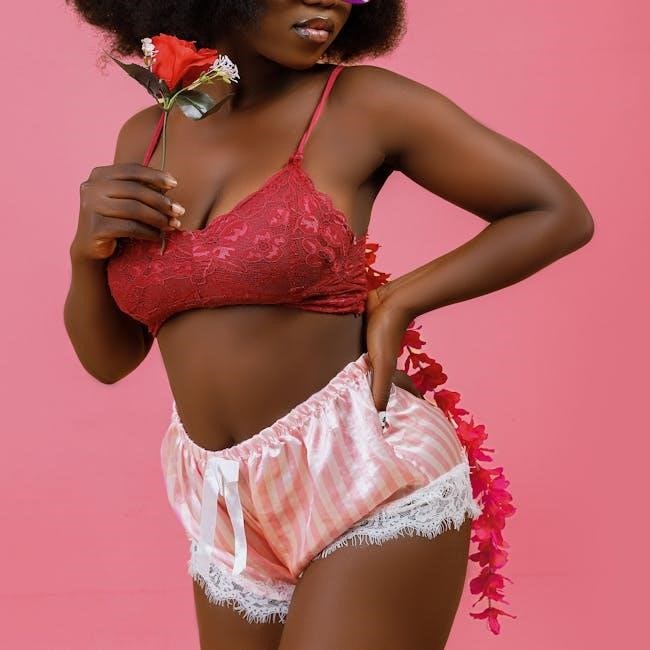
Effective hand placement is crucial in boudoir posing‚ preventing awkwardness and enhancing the overall aesthetic. Posing guides suggest having clients gently play with props – pillows‚ lamps‚ or even their own hair – to naturally position their hands.
Avoid stiff or clenched hands; encourage relaxed‚ flowing movements. Hands can softly frame the face‚ accentuate curves‚ or add a touch of sensuality. Guiding clients to lightly touch their collarbone or waist can create elegant lines and draw attention to flattering features.
Classic Boudoir Poses
Timeless poses – seated with leg extension‚ standing lingerie-focused‚ and relaxed bed poses – form the foundation‚ offering elegance and client comfort‚ guides reveal.
The Seated Pose with Leg Extension
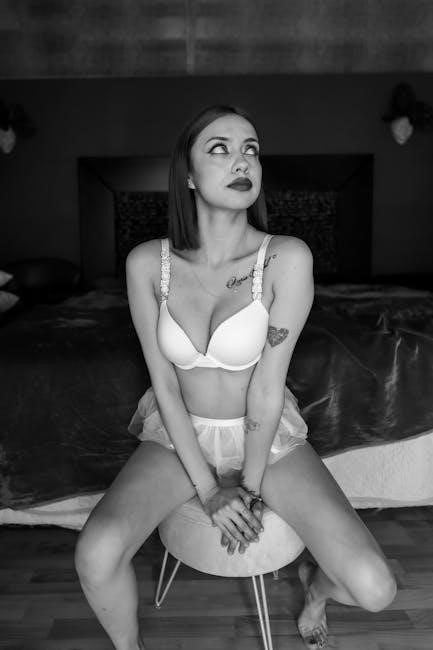
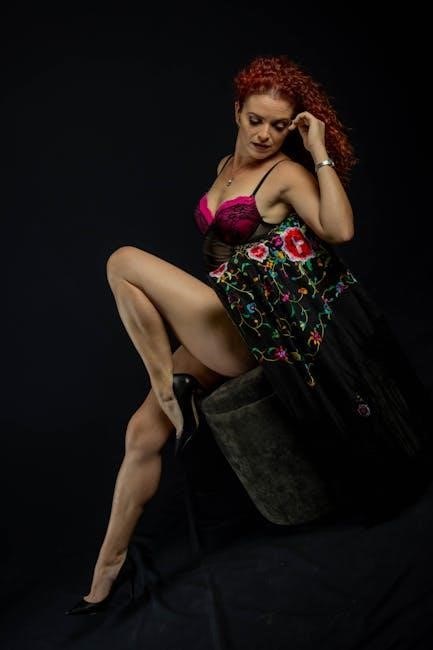
This classic pose emphasizes curves and creates a lengthening effect. Clients can comfortably sit on a chair‚ bed‚ or floor‚ extending one leg slightly forward and bent at the knee.
Encourage a gentle arch in the back and relaxed shoulders. Guiding clients to play with surrounding elements‚ like a pillow or lamp‚ alleviates tension and adds naturalness.
Variations include crossing the extended leg at the ankle or resting a hand on the thigh. Focus on flattering angles and ensuring the pose feels empowering for each individual‚ as highlighted in available guides.
The Lingerie-Focused Standing Pose
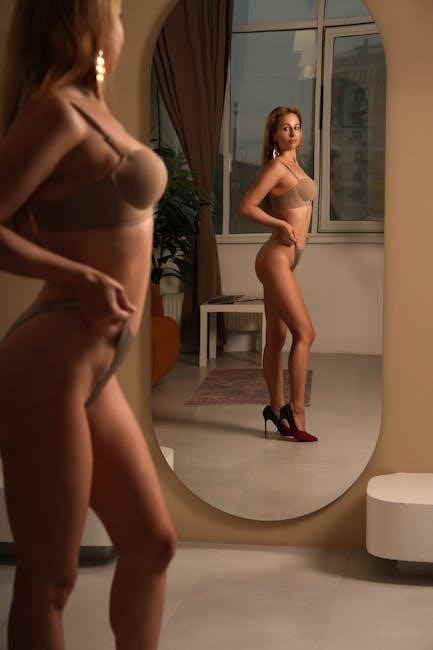
This pose directly showcases the lingerie and client’s form. Have the client stand with weight shifted slightly to one side‚ creating a subtle curve. A slight bend in the knees prevents stiffness and adds a natural flow.
Directing hand placement is key – gently resting a hand on the hip‚ or lightly touching the lingerie draws attention.
Emphasize a relaxed shoulder posture and confident gaze. Posing guides suggest dynamic angles‚ avoiding a completely straight-on stance for a more flattering silhouette.
The Bed Pose: Relaxed and Intimate
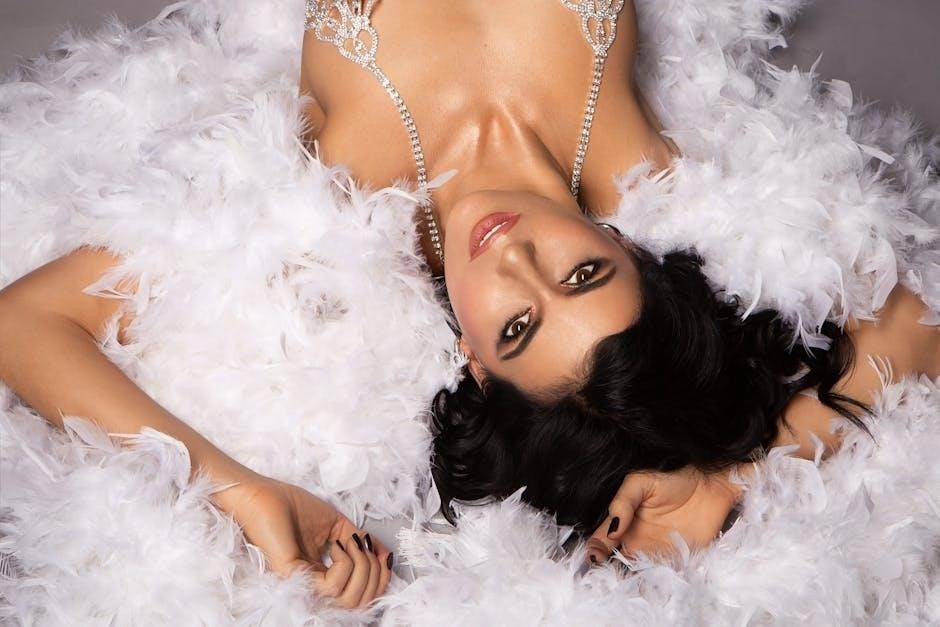
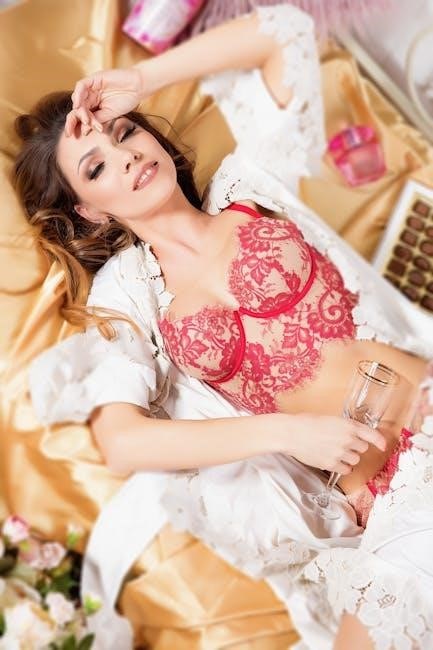
The bed pose evokes intimacy and comfort. Encourage clients to recline or sit‚ playing with fabrics like sheets or pillows. A partially covered body creates alluring shadows and highlights the lingerie.
Direct clients to gently arch their back or rest their head on their hand for a relaxed feel.
Posing guides recommend varying angles – side-lying‚ propped up on elbows‚ or a more seated position. Focus on soft expressions and a natural‚ unforced demeanor to capture genuine emotion.
Dynamic Posing Techniques
Boudoir guides emphasize movement‚ flow‚ and props to enhance poses; fabrics and textures add depth‚ while incorporating action creates captivating‚ elegant imagery.
Incorporating Movement and Flow
Dynamic posing transcends static positions‚ breathing life into boudoir photography. Guides suggest encouraging subtle shifts – a gentle turn of the head‚ a relaxed hand movement – to avoid stiffness.
Instead of rigidly instructing poses‚ photographers should inspire fluid transitions. This approach captures a more natural and authentic representation of the client’s beauty.
Movement adds a layer of storytelling‚ conveying emotion and personality. It’s about guiding the client to feel the pose‚ rather than simply hold it‚ resulting in captivating images.
Using Props to Enhance Poses
Strategic prop use elevates boudoir imagery‚ adding depth and narrative. Guides highlight chairs‚ furniture‚ and even lingerie itself as powerful tools for posing.
Props aren’t merely accessories; they offer interaction points‚ giving clients something to do with their hands and easing potential awkwardness. A pillow‚ lamp‚ or draped fabric can create a more relaxed and natural feel.
Consider how props complement the client’s form and the overall aesthetic. They should enhance‚ not distract‚ from the subject’s inherent beauty and confidence.
Playing with Fabrics and Textures
Fabrics introduce a dynamic element to boudoir sessions‚ adding visual interest and a tactile quality. Silks‚ lace‚ and even curtains offer opportunities for creative posing and movement.
Draping fabric around the body can accentuate curves and create flowing lines‚ while textured materials add depth to the image. Experiment with how fabric interacts with light and shadow for dramatic effect.
Encourage clients to interact with the fabrics – holding‚ twisting‚ or letting them fall – to create natural and captivating poses.
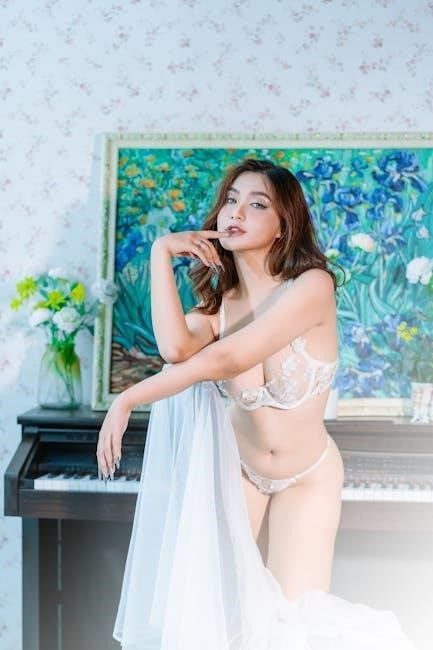
Posing for Different Body Types
Effective boudoir posing requires adapting to each client’s unique physique; guides emphasize flattering curvy‚ petite‚ and athletic builds through strategic angles.
Flattering Poses for Curvy Figures
Boudoir posing for curvy clients centers on accentuating their natural beauty and creating elegant silhouettes. Guides suggest angling the body to define the waist‚ utilizing gentle curves‚ and avoiding poses that compress the midsection.
Emphasize the figure-eight shape with strategic hand placement and leg positioning. Encourage clients to embrace their curves and feel confident; flowing fabrics and soft lighting further enhance the images. Poses should highlight the client’s best features‚ fostering a positive and empowering experience.
Posing for Petite Clients
Boudoir posing for petite clients requires techniques that elongate the body and create the illusion of height. Guides recommend utilizing higher angles‚ such as posing on chairs or stools‚ to add verticality.
Strategic leg extensions and gentle arches in the back can also contribute to a more elongated silhouette. Avoid overly voluminous fabrics that may overwhelm a smaller frame. Focus on creating graceful lines and emphasizing the client’s delicate features‚ ensuring a flattering and confident portrayal.
Adjusting Poses for Athletic Builds
Boudoir posing for athletic builds benefits from softening strong lines and celebrating curves. Poses should emphasize femininity and grace‚ counteracting a potentially powerful physique.
Guides suggest incorporating gentle curves‚ relaxed shoulders‚ and flowing fabrics. Avoid overly rigid or angular poses. Encourage clients to embrace softness and vulnerability‚ highlighting their beauty beyond physical strength. Utilizing props and playing with fabrics can add dimension and enhance the overall aesthetic.
Advanced Posing Concepts
Advanced boudoir posing involves storytelling‚ negative space‚ and directing emotions for impactful imagery‚ elevating sessions beyond simple poses and creating art.
Creating Storytelling Through Poses
Boudoir photography transcends simple posing when it embraces narrative. Each pose should hint at a feeling‚ a memory‚ or an aspiration‚ allowing the client’s personality to shine. Consider the client’s background and desires during consultation to craft a visual story.
Directing subtle shifts in expression and body language can dramatically alter the narrative. Props‚ fabrics‚ and lighting further enhance the storytelling aspect‚ adding layers of depth and intrigue. The goal is to create images that resonate emotionally‚ becoming cherished keepsakes that tell a unique and personal tale.
The Use of Negative Space
Strategic negative space elevates boudoir imagery‚ drawing the eye to the subject and creating a sense of artistic balance. Utilizing empty areas within the frame prevents visual clutter and emphasizes the client’s form.
Experiment with posing that leaves open areas around the body‚ allowing the eye to rest and appreciate the curves and lines. Consider the background – a simple wall or draped fabric can enhance the effect. Thoughtful use of negative space adds sophistication and a modern aesthetic to the final images.
Directing Facial Expressions and Emotions
Genuine emotion is paramount in boudoir photography; guiding clients to relax and express themselves authentically yields captivating results. Avoid overly posed smiles – encourage natural reactions through conversation and gentle direction.
Focus on creating a comfortable atmosphere where vulnerability feels safe. Suggest thinking of a cherished memory or a loved one to evoke genuine feelings. Subtle cues‚ like softening the gaze or slightly parting the lips‚ can dramatically enhance the emotional impact of the image.
Specific Pose Breakdown
Classic poses‚ like the over-the-shoulder look‚ hand-in-hair‚ and back arch‚ are foundational; guides detail nuanced adjustments for flattering results and client comfort.
The “Over-the-Shoulder” Look
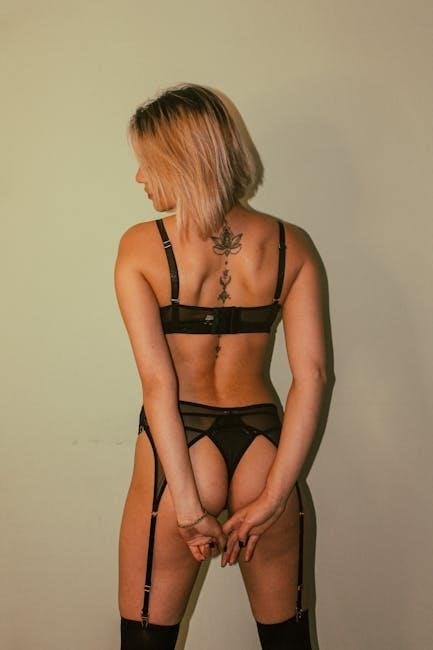
This pose is a boudoir staple‚ creating a sense of intrigue and allure. Guiding your client to gently turn their head while looking back over their shoulder is key.
Encourage a slight bend in the neck and a relaxed shoulder to avoid stiffness. Subtle hand placement – perhaps lightly touching the hair or hip – adds to the elegance.
Instruct them to soften their gaze‚ avoiding a harsh stare. Adjusting the angle of the body and experimenting with lighting will enhance the pose’s flattering qualities‚ ensuring a captivating image.
The “Hand-in-Hair” Pose
The “hand-in-hair” pose evokes a playful yet sensual vibe‚ requiring delicate direction. Instruct your client to gently run their fingers through their hair‚ avoiding a tight grip.
Encourage a relaxed shoulder and a soft expression; a slight tilt of the head adds dimension. Experiment with different hand positions – tousling the hair‚ or simply resting fingers amongst the strands.
Lighting is crucial; soft illumination enhances the pose’s intimacy. Guide them to avoid looking directly at the camera for a more natural feel.
The “Back Arch” Pose
The “back arch” pose creates a beautiful silhouette‚ emphasizing curves and elegance. Guide your client to gently arch their back‚ ensuring a comfortable and natural curve – avoid forcing the position.
Hand placement is key; they can be placed on hips‚ or gently supporting the lower back. A slight head tilt and a soft gaze enhance the pose’s allure.
Pay attention to lighting‚ using it to accentuate the arch and create dramatic shadows. Encourage relaxed shoulders for a more fluid and graceful look.
Troubleshooting Common Posing Challenges
Addressing awkward limbs and self-consciousness requires gentle direction and reassurance; guides emphasize fixing angles and building client comfort for flattering results.
Addressing Awkward Limbs
Awkward limb positioning is a frequent challenge in boudoir photography‚ but easily remedied with mindful direction. Guides suggest advising clients to play with props – a pillow‚ lamp‚ or even their own hair – to naturally shift weight and create relaxed angles.
Encourage slight bends in elbows and knees to avoid stiffness. Subtle adjustments‚ like repositioning a hand or shifting weight‚ can dramatically improve the flow of a pose. Remember‚ the goal is to create a natural‚ flattering silhouette‚ minimizing tension and maximizing confidence.
Fixing Unflattering Angles
Unflattering angles can easily be corrected through subtle adjustments and a keen eye. Boudoir posing guides emphasize the importance of angling the body – even a slight shift can dramatically improve the silhouette.
Direct clients to avoid facing the camera directly‚ instead encouraging a three-quarter turn. Pay attention to chin position; a slight tilt down often creates a more defined jawline. Continuous observation and gentle direction are key to achieving flattering and dynamic poses.
Dealing with Client Self-Consciousness
Client self-consciousness is common in boudoir photography‚ demanding sensitivity and reassurance. Posing guides‚ like those offered by Liz Hansen‚ stress building rapport and a comfortable atmosphere.
Constant verbal encouragement and positive feedback are crucial. Begin with simple‚ flattering poses to build confidence. Address concerns directly and offer gentle guidance‚ emphasizing the goal is empowerment‚ not perfection. A relaxed client translates to authentic‚ beautiful images.
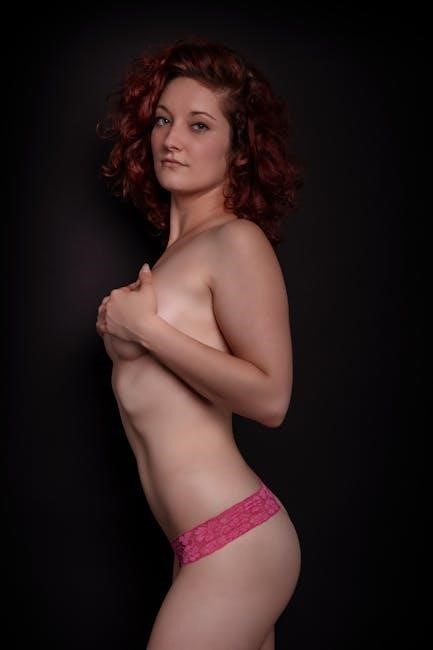
Posing with Props
Props—chairs‚ lingerie‚ fabrics—enhance poses‚ adding depth and narrative. Guides suggest using items for comfort and interaction‚ like pillows or lamps.
Using Chairs and Furniture
Chairs and furniture are invaluable for boudoir posing‚ offering support and creating dynamic lines. Encourage clients to interact with the furniture – draping a leg over an armrest‚ leaning back casually‚ or sitting on the edge.
These interactions add a natural‚ relaxed feel to the images. Vary the height and style of furniture to suit different body types and desired moods. Consider the chair’s texture and how it complements the lingerie.
Experiment with angles; a side view can emphasize curves‚ while a front view highlights confidence. Remember‚ the goal is to make the client feel comfortable and empowered within the setting;
Incorporating Lingerie and Accessories
Lingerie and accessories should enhance‚ not distract from‚ the client’s natural beauty. Guide clients to subtly showcase the details of their chosen pieces through posing. A gentle hand lifting a garter‚ or a slight adjustment of a strap‚ can add allure.
Accessories like jewelry‚ silk robes‚ or flowers can introduce texture and color. Encourage interaction – playing with a pillow or holding a delicate item.
Ensure the lingerie fits well and flatters the client’s figure‚ boosting their confidence. Posing should highlight the lingerie’s design without being overly revealing.
Utilizing Window Light and Curtains
Window light is a boudoir photographer’s best friend‚ offering soft‚ flattering illumination. Position clients near a window‚ utilizing sheer curtains to diffuse the light and create a dreamy atmosphere. Experiment with the angle of the light to sculpt the body.
Curtains can also serve as posing props – draped around the client or used as a backdrop.
Pay attention to shadows; they can add depth and dimension. Guide clients to subtly interact with the curtains‚ creating movement and visual interest within the frame.
The Business of Boudoir Posing
Building a posing repertoire and mastering client consultations are key to success; marketing your expertise elevates your brand and attracts discerning clients.
Building a Posing Repertoire
Developing a diverse posing repertoire is crucial for any boudoir photographer. Start with classic poses – seated with leg extensions‚ standing lingerie focuses‚ and relaxed bed poses – then expand into dynamic techniques.
Experiment with movement‚ props like chairs or fabrics‚ and storytelling through poses. Resources like webinars from Liz Hansen and guides from Rangefinder provide inspiration.
Continuously practice and refine your skills‚ adapting poses to flatter various body types and client preferences‚ ensuring each session feels unique and empowering.
Client Consultation and Pose Planning
Thorough client consultations are paramount for successful boudoir sessions. Discuss comfort levels‚ desired aesthetics‚ and any body image concerns openly. Utilize this information to collaboratively plan poses beforehand.
Guides from Rangefinder emphasize flattering every client‚ requiring adaptable posing knowledge.
Liz Hansen’s webinars highlight building rapport‚ enabling you to direct clients confidently. Pre-planning reduces session stress and ensures a personalized‚ empowering experience‚ yielding captivating results.
Marketing Your Posing Expertise
Showcase your posing skills through a strong portfolio demonstrating flattering techniques for diverse body types. Highlight your ability to create a comfortable‚ empowering experience‚ as emphasized by Liz Hansen’s webinars.
Content marketing – blog posts‚ social media – detailing posing principles attracts clients seeking expertise.
Position yourself as a guide who unlocks confidence‚ not just takes pictures. Rangefinder’s resources reinforce the impact of dynamic posing on impactful imagery‚ justifying premium pricing.
Resources for Further Learning
Expand your skills with online workshops‚ tutorials‚ and guides from experts like Liz Hansen and Rangefinder‚ fostering continuous growth.
Online Workshops and Tutorials
Dive deeper into boudoir posing through dedicated online resources. Liz Hansen’s webinar‚ “Pose with Purpose‚” is specifically designed for beginners‚ focusing on building confidence in directing clients and establishing a comfortable rapport. These workshops unlock secrets to extracting multiple captivating images from a single pose‚ ensuring each session is both empowering and visually stunning.
Further exploration can be found through various platforms offering tutorials on dynamic posing‚ utilizing props‚ and flattering diverse body types. These resources provide practical techniques to elevate your skillset and deliver exceptional results for every client.
Boudoir Posing Guides and Books
Essential resources like Rangefinder’s “Boudoir Photography Posing Guide” offer practical tips for flattering every client‚ regardless of experience level. These guides emphasize dynamic posing techniques to create impactful imagery. Understanding how to pose effectively is crucial for producing consistently beautiful results.
Supplementing online learning with physical guides provides a tangible reference for posing principles and inspiration. These resources often detail specific poses and adjustments for various body types‚ enhancing your posing repertoire and client satisfaction.
Networking with Other Photographers
Connecting with fellow boudoir photographers fosters a collaborative learning environment‚ allowing for shared posing insights and troubleshooting. Workshops and tutorials‚ alongside peer feedback‚ accelerate skill development. Discussing challenges and successes refines your approach to client direction.
Building relationships within the industry provides access to diverse perspectives and innovative techniques. Sharing posing routines and client experiences expands your creative toolkit‚ ultimately enhancing your ability to deliver exceptional boudoir photography.