Navigating the world of antique rocking chairs requires understanding wood, construction, and styles. Examining nails, joints, and finishes reveals age and authenticity, aiding in proper identification.
Embarking on identifying antique rocking chairs involves a keen eye for detail and a grasp of historical furniture-making techniques. Unlike modern pieces utilizing composite materials, authentic antiques boast solid wood construction. Determining age isn’t always straightforward; examining joints, wood grain, and finishes provides crucial clues. Recognizing handmade versus machine-made features is paramount, as subtle imperfections often signify genuine age and craftsmanship. Understanding these elements unlocks the story behind each chair.
Understanding Wood Types
Identifying the wood used in an antique rocking chair is fundamental to its dating and valuation. Early chairs favored readily available hardwoods, exhibiting distinct grain patterns and aging characteristics. Wood naturally darkens and shrinks over time, a key indicator of authenticity. Be wary of chairs appearing “too new,” potentially signaling a reproduction using modern materials lacking genuine patina.
Identifying Common Wood Species
Maple, cherry, and oak were frequently used in antique rocking chair construction. Maple often displays a close, uniform grain, while cherry develops a rich reddish hue with age. Oak exhibits prominent grain patterns. Recognizing these species, alongside variations in color and texture, assists in determining a chair’s origin and period of manufacture.
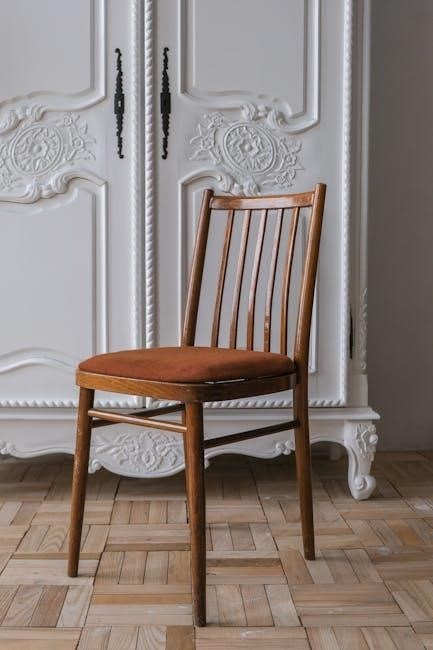
Analyzing Wood Grain and Patina
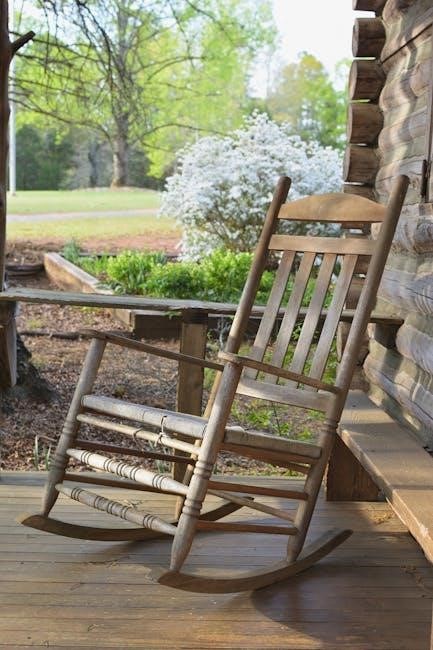
Wood darkens and shrinks naturally over time, developing a patina. Examine the grain for consistent wear patterns indicative of age and use. A fresh, vibrant appearance suggests refinishing, potentially diminishing value. Subtle imperfections and variations in the patina are hallmarks of genuine antique wood, showcasing its history.
Dating Rocking Chairs by Construction Techniques
Early rocking chairs were largely handmade, exhibiting unique characteristics. The transition to machine-made chairs introduced consistency but often lacked the subtle nuances of handcraftsmanship. Analyzing construction reveals the era; hand-formed joints and slight size discrepancies in matching parts suggest older origins, while precision points to later manufacturing.
Early Hand-Made Rocking Chairs
Prior to widespread mechanization, rocking chairs were crafted individually by skilled artisans. These chairs showcase distinct features – hand-carved details, variations in joint construction, and subtle imperfections are common. Expect to find mortise and tenon or dovetail joints, reflecting the craftsman’s skill and the chair’s age.
Transition to Machine-Made Chairs
The mid-19th century witnessed a shift towards machine production. While handcraftsmanship didn’t vanish, machine-made chairs exhibit greater uniformity and precision. Look for consistent shapes, perfectly symmetrical parts, and the use of machine-cut nails. This era blended old and new techniques, making identification nuanced, requiring careful observation.
Nail and Fastener Analysis
Nails serve as crucial dating indicators in antique rocking chairs. Early chairs utilized hand-wrought nails, irregular and exhibiting variations. As technology advanced, cut nails became prevalent, then wire nails in the late 19th century. Screw types also evolved; examining their heads and slots can pinpoint a chair’s approximate manufacturing period.
Types of Nails Used in Different Eras
Hand-wrought nails, common before the 1800s, display irregular shapes and were made individually. Cut nails, appearing around 1800-1890, have uniform heads and squared shanks. Wire nails, introduced in the late 19th century, are cylindrical and machine-made, signifying a later production date. Identifying these nail types aids accurate dating.
Screw Types and Their Dating Significance
Early screws were hand-cut with a slot, appearing before the mid-19th century. Phillips head screws emerged around the 1930s, indicating a chair made after this period. Examining screw slots – straight, tapered, or Phillips – provides crucial dating clues. The presence of machine-cut screws generally suggests later manufacture.
Key Styles of Antique Rocking Chairs
Distinct styles mark different eras; Shaker chairs exemplify simplicity and functionality, crafted with clean lines and minimal ornamentation. Victorian rocking chairs, conversely, showcase elaborate carvings and ornate details. Identifying these stylistic differences – from the sleek Shaker to the opulent Victorian – is key to accurate dating and appreciation.
Shaker Rocking Chairs
Originating with the Shakers, these chairs embody a minimalist aesthetic, prioritizing practicality and spiritual values. Typically crafted from maple or other locally sourced hardwoods, they feature clean lines and a distinctive slate-back design. The absence of ornamentation and focus on functionality are hallmarks of authentic Shaker rocking chairs.
Victorian Rocking Chairs
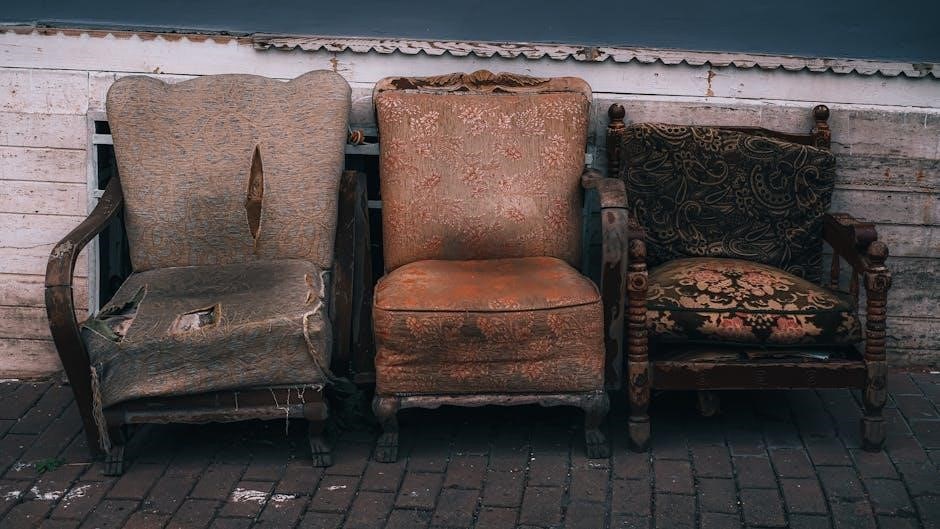
Victorian rocking chairs, popular during the 19th century, showcase elaborate ornamentation and intricate carvings. Often constructed from dark woods like walnut or rosewood, they feature plush upholstery and ornate rocker designs. Look for details like button tufting, scrolled arms, and decorative spindles – hallmarks of Victorian craftsmanship and style.
Recognizing Handmade vs. Machine-Made Features
Distinguishing between handmade and machine-made rocking chairs is crucial for identification. Handmade chairs often exhibit slight imperfections and variations in joint construction, like dovetails or mortise and tenon. Subtle size differences in matching parts suggest handcraftsmanship, while machine-made chairs display uniformity and precision in their construction and finishing.
Joint Construction: Dovetails, Mortise & Tenon
Examining joint construction reveals valuable clues about a rocking chair’s age and origin. Dovetail joints, meticulously hand-cut, signify earlier craftsmanship. Mortise and tenon joints, also common in antique furniture, demonstrate skilled woodworking. Machine-made chairs often feature simpler, less refined joint types, lacking the precision and artistry of handmade examples.
Subtle Imperfections Indicating Handcraftsmanship
Genuine antique rocking chairs often display charming, slight imperfections. These aren’t flaws, but hallmarks of handcraftsmanship. Look for minor size discrepancies in matching parts like armrests or rockers – evidence of individual creation. Such subtle variations are difficult to replicate with modern machinery, confirming authentic, older construction.
Identifying Makers’ Marks and Hallmarks
Locating a maker’s mark is crucial for authenticating and valuing antique rocking chairs. These marks, often stamped or carved, identify the manufacturer. Researching known rocking chair manufacturers through auction records and databases can reveal a chair’s history and origin. Thorough investigation of these hallmarks unlocks valuable insights into its provenance;
Locating Makers’ Marks
Makers’ marks aren’t always prominently displayed; diligent searching is key. Examine the underside of the seat, the back supports, and interior frame components. Look for stamped labels, carved signatures, or impressed symbols. Sometimes, marks are hidden or obscured by finish. Careful inspection, potentially with magnification, may reveal these identifying features.

Researching Known Rocking Chair Manufacturers
Once a mark is found, thorough research is crucial. Online databases and auction records provide valuable information about manufacturers and their products. Investigate historical furniture companies and their signature styles. Identifying the maker significantly impacts a chair’s value and historical context, confirming authenticity and provenance.
Analyzing Rocker Design and Construction

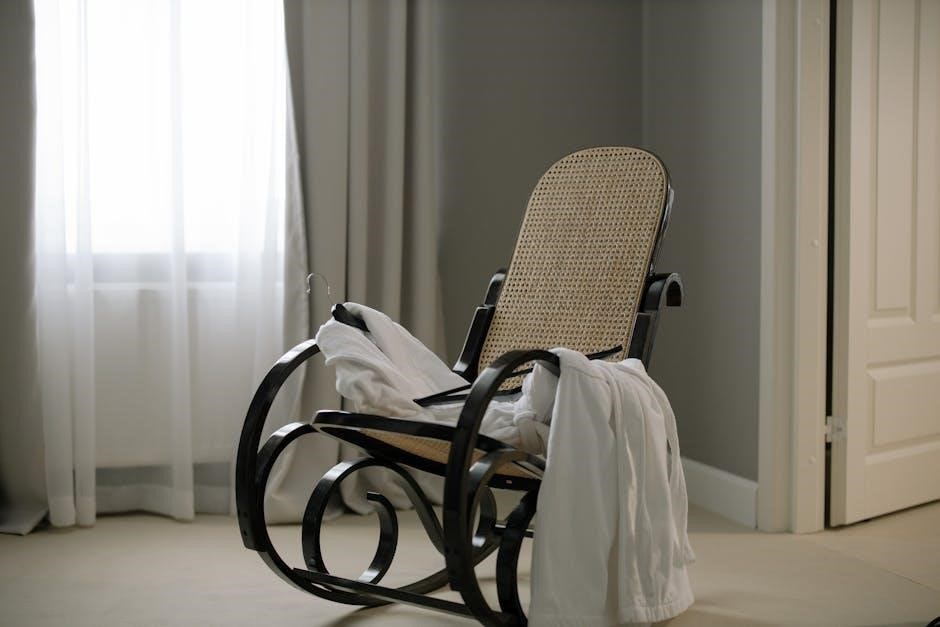
Rocker shapes evolved over time, reflecting changing styles and manufacturing techniques. Early rockers were often wider and more curved, while later designs became sleeker. Materials used, like maple or oak, also indicate age. Examining the construction reveals whether the rockers were steam-bent or laminated, offering clues to the chair’s origin.
Evolution of Rocker Shapes
Early rocking chair rockers exhibited broad, sweeping curves, prioritizing comfort and a gentle motion. As manufacturing advanced, designs shifted towards flatter, more streamlined rockers for a modern aesthetic. The degree of curvature, alongside the rocker’s length, provides valuable insight into the chair’s period and intended use, showcasing stylistic changes.
Materials Used in Rocker Construction
Historically, maple, oak, and hickory were favored for rockers due to their strength and durability. Shaker rockers often utilized maple, prized for its ability to be bent into graceful curves. Later periods saw the introduction of walnut and cherry, offering richer tones. Examining the wood type helps pinpoint the chair’s origin and age.
Evaluating the Finish and Patina
A genuine antique finish develops a natural patina over time, exhibiting subtle wear and color changes. Avoid testing the finish directly, as it can cause damage. Be cautious of overly bright or uniform finishes, suggesting refinishing. Authentic aging shows darkening and shrinkage of the wood, indicating age and use.
Understanding Natural Aging of Finishes
Over decades, finishes naturally darken and develop a soft sheen due to oxidation and handling. This patina isn’t uniform; expect variations in color and subtle wear patterns. Original finishes may exhibit fine crackle or crazing. A truly aged finish won’t appear “too perfect,” lacking the crispness of modern reproductions.
Detecting Refinishing and Restoration
Refinishing often results in a uniform, overly glossy appearance, erasing the subtle nuances of age. Look for evidence of sanding – particularly in carved details – and fresh paint within joints. Restoration can diminish value if not historically accurate. Avoid testing the finish directly, as it could cause further damage.
Common Red Flags: Identifying Reproductions
Be wary of chairs appearing “too good” for their age; new wood or materials are immediate concerns. Inconsistencies in style, like mismatched elements or modern hardware, signal reproduction. Fresh, vibrant wood tones on a supposedly antique chair are suspicious. Examine joints closely for machine-made precision lacking handmade imperfections.
Signs of New Wood or Materials
A key red flag is wood that appears remarkably fresh and unaged, contradicting the chair’s claimed history. Look for the absence of natural patina – the subtle darkening and wear expected over decades. Particle board or composite wood immediately indicates a modern reproduction, as older chairs utilized solid wood construction exclusively.
Inconsistencies in Style and Construction
Authentic antique rocking chairs exhibit consistency in design and craftsmanship. Mismatched elements, like armrests or rockers differing slightly in size, suggest handcraftsmanship – but jarring inconsistencies point to reproduction. A blend of styles from different eras is a warning sign, as is the use of modern hardware on an otherwise antique frame.
Value Factors in Antique Rocking Chairs
Several key elements determine an antique rocking chair’s worth. Rarity and current demand significantly impact price, with sought-after styles commanding higher values. Condition is crucial; extensive damage lowers value, while careful restoration can increase it. Provenance, or documented history, also boosts desirability and, consequently, the chair’s market value.
Rarity and Demand
A rocking chair’s value hinges on its scarcity and collector interest. Shaker rocking chairs, known for their simplicity, are highly sought after, driving up prices. Limited production runs or unique stylistic features also contribute to rarity. Current market trends and overall demand influence value, fluctuating with collector preferences and economic conditions.
Condition and Restoration
A chair’s condition significantly impacts its value. Original, unrestored pieces often command higher prices, but excessive wear diminishes worth. Careful restoration, preserving originality, can enhance value; However, improper refinishing or repairs can drastically reduce it. Assessing damage – cracks, loose joints – is crucial for determining overall condition and restoration needs.
Resources for Further Research
Deepening your knowledge requires utilizing available resources. Online databases and auction records, like those from reputable antique sites, provide comparable sales data. Antique furniture books and specialized guides offer detailed information on styles and makers. Researching manufacturers’ hallmarks aids identification, unlocking a chair’s history and provenance.
Online Databases and Auction Records
Exploring online platforms reveals valuable insights into antique rocking chair values and trends. Auction records from sites specializing in antiques demonstrate realized prices for comparable pieces. Databases cataloging makers’ marks and hallmarks assist in identifying specific manufacturers. These resources provide crucial data for accurate appraisal and authentication.
Antique Furniture Books and Guides
Dedicated publications offer comprehensive knowledge on antique rocking chair styles and construction techniques. These guides detail wood types, dating methods, and maker identification. They often include detailed photographs illustrating key features and variations. Consulting these resources provides a foundational understanding for assessing authenticity and value, complementing online research.
Preserving and Caring for Antique Rocking Chairs
Proper maintenance safeguards the longevity and value of antique rocking chairs. Gentle cleaning with appropriate products preserves the finish, while avoiding harsh chemicals is crucial. Addressing minor damage promptly prevents further deterioration. Regular inspection and careful repair ensure these treasured pieces remain functional and beautiful for generations to come.
Cleaning and Maintenance
Regular, gentle cleaning is vital for preserving antique rocking chairs. Dust frequently with a soft cloth, avoiding abrasive cleaners. Mild soap and water can remove grime, but test in an inconspicuous area first. Avoid excessive moisture, and always dry thoroughly. Waxing can protect the finish, enhancing its luster and preventing cracking.
Repairing Minor Damage
Addressing small issues promptly prevents further deterioration. Loose joints can be carefully re-glued using wood glue, clamping until dry. Superficial scratches might blend with gentle polishing. Avoid harsh chemicals or aggressive sanding. For significant damage, consult a professional restorer to maintain the chair’s value and historical integrity.